
By Susanne Hazen, author Leerboek Familieopstellingen
For every person, the family of origin plays a fundamental role in their development. At a very basic level, we all have a deep, instinctive need to belong. Our survival depends on being part of a group — a system that protects us, supports us, and allows us to exist.
The first and often most important group we belong to is our family of origin.
Within this family, the mother holds a unique and essential position.
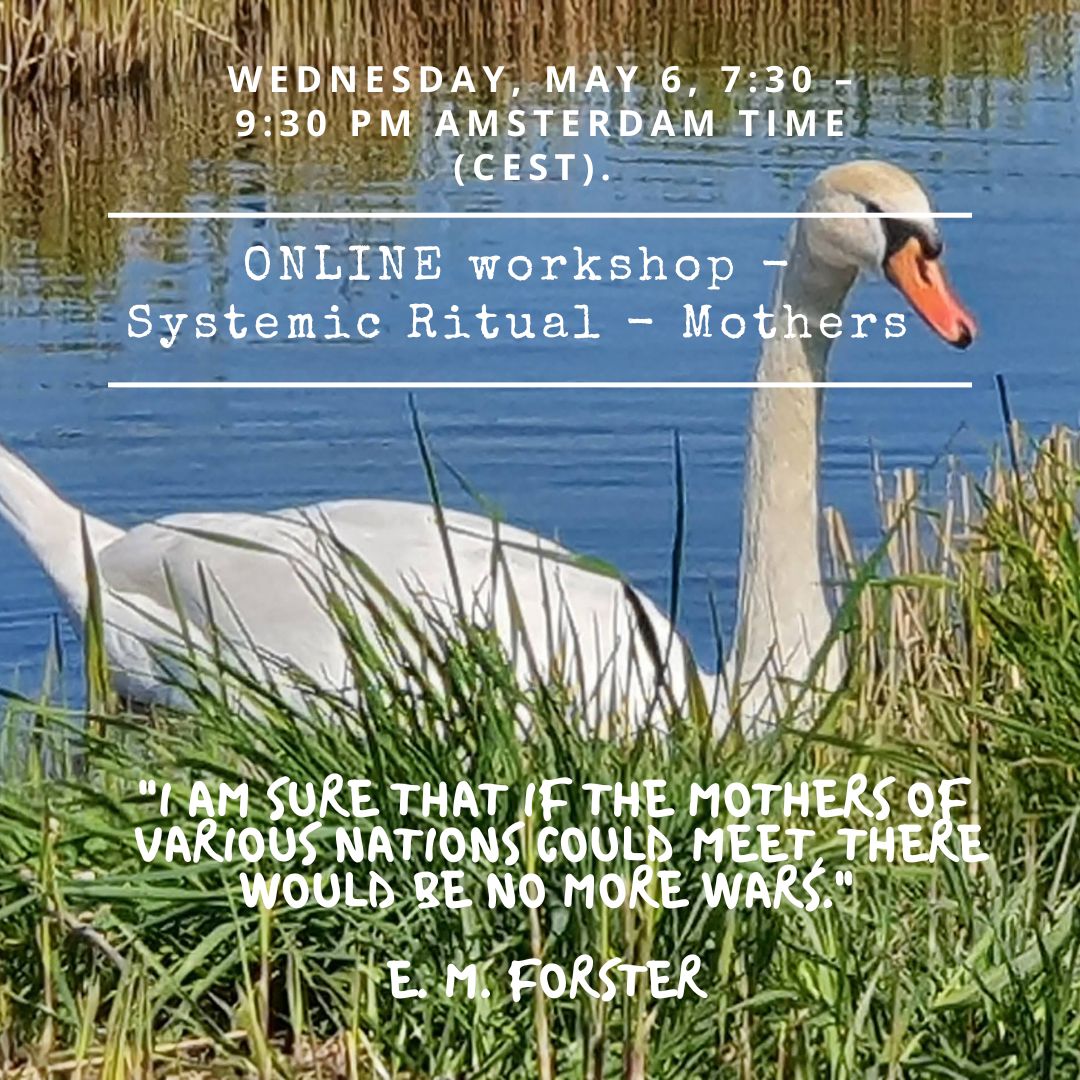
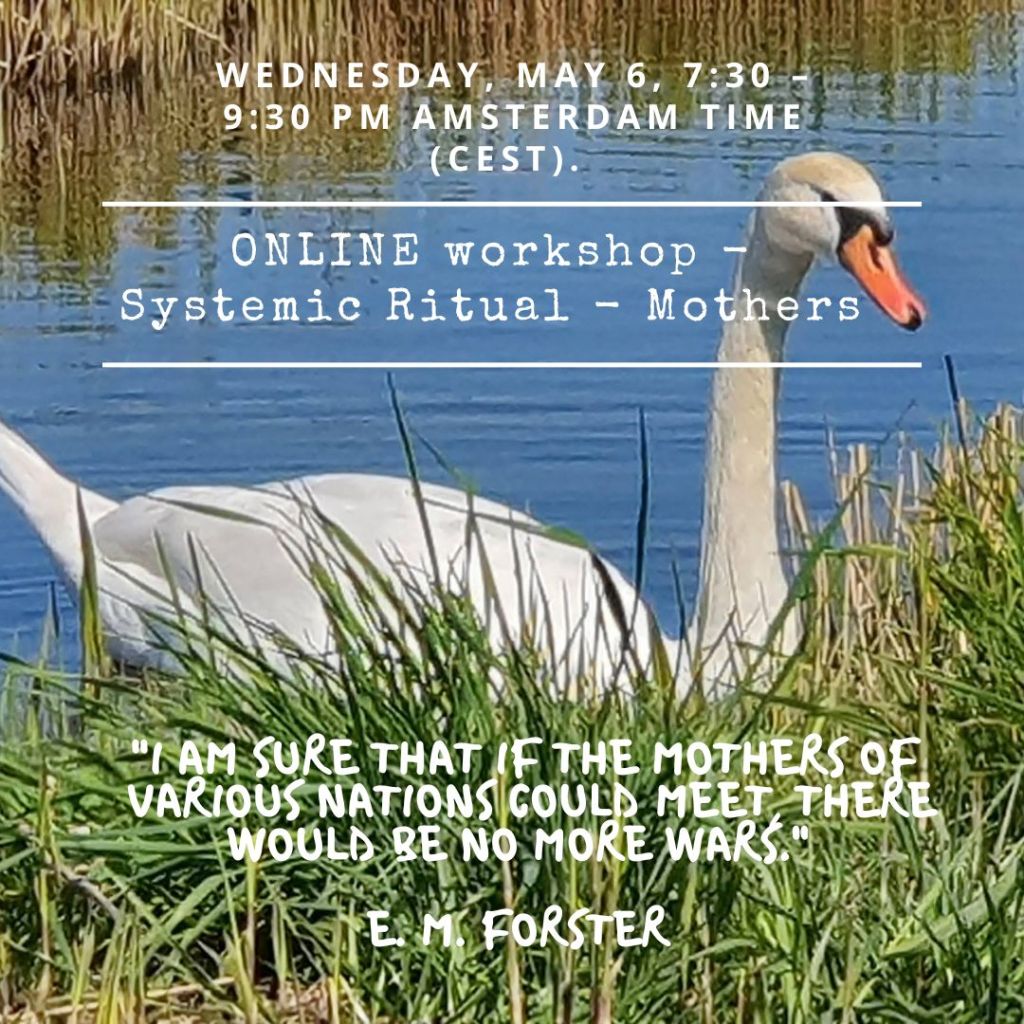
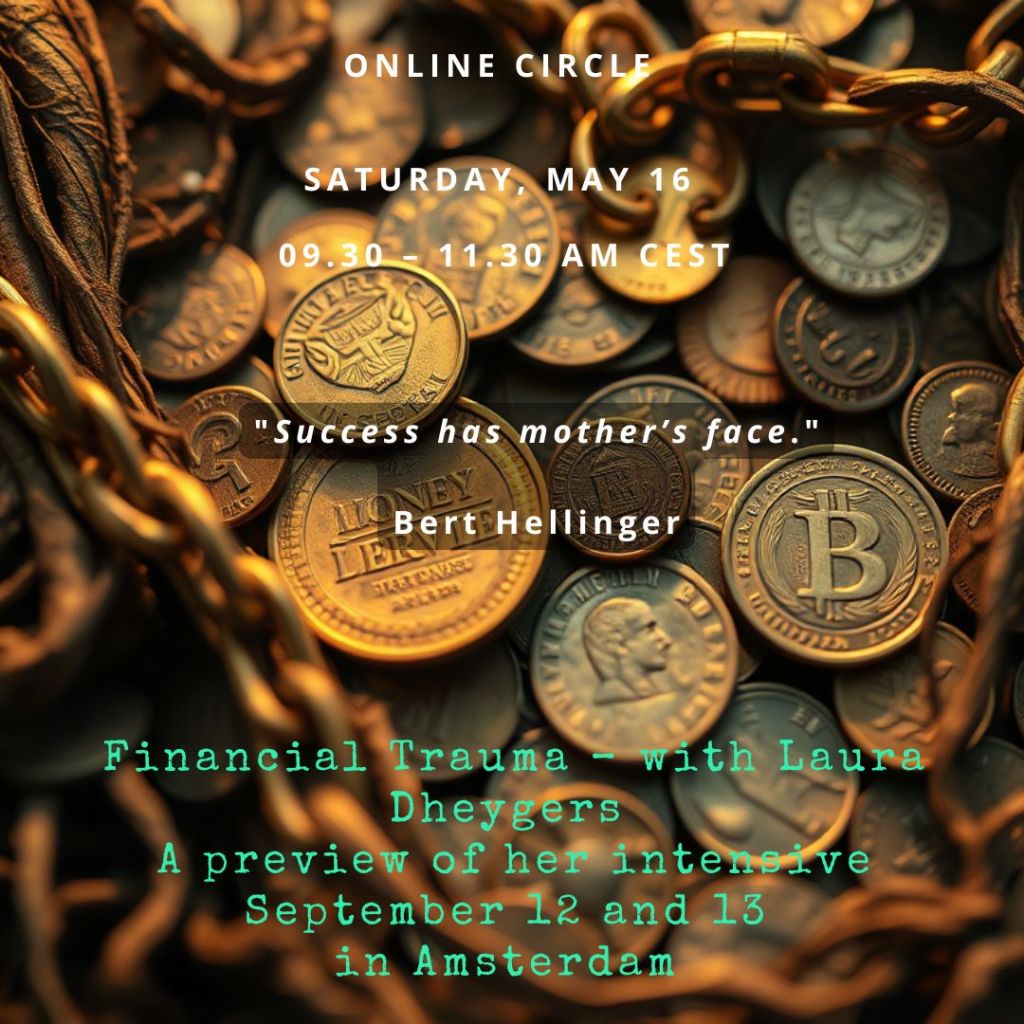
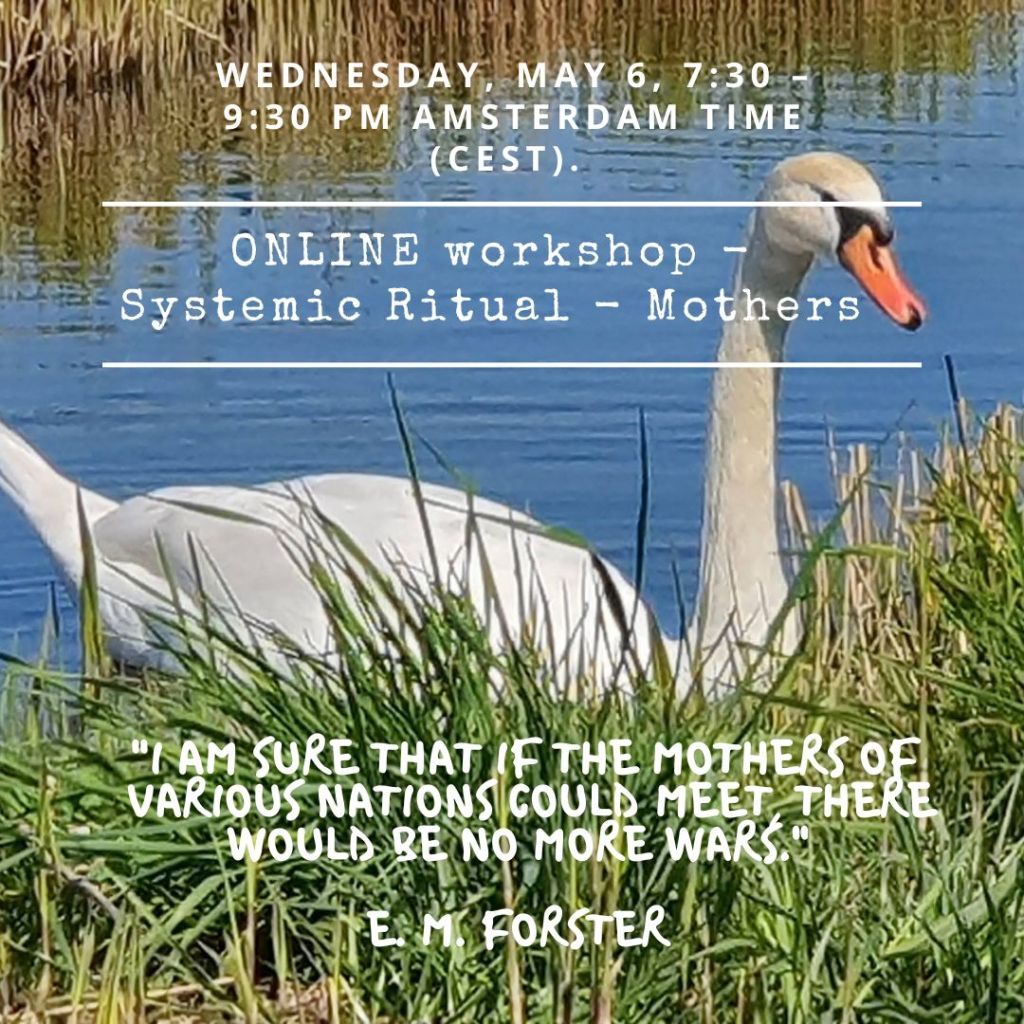
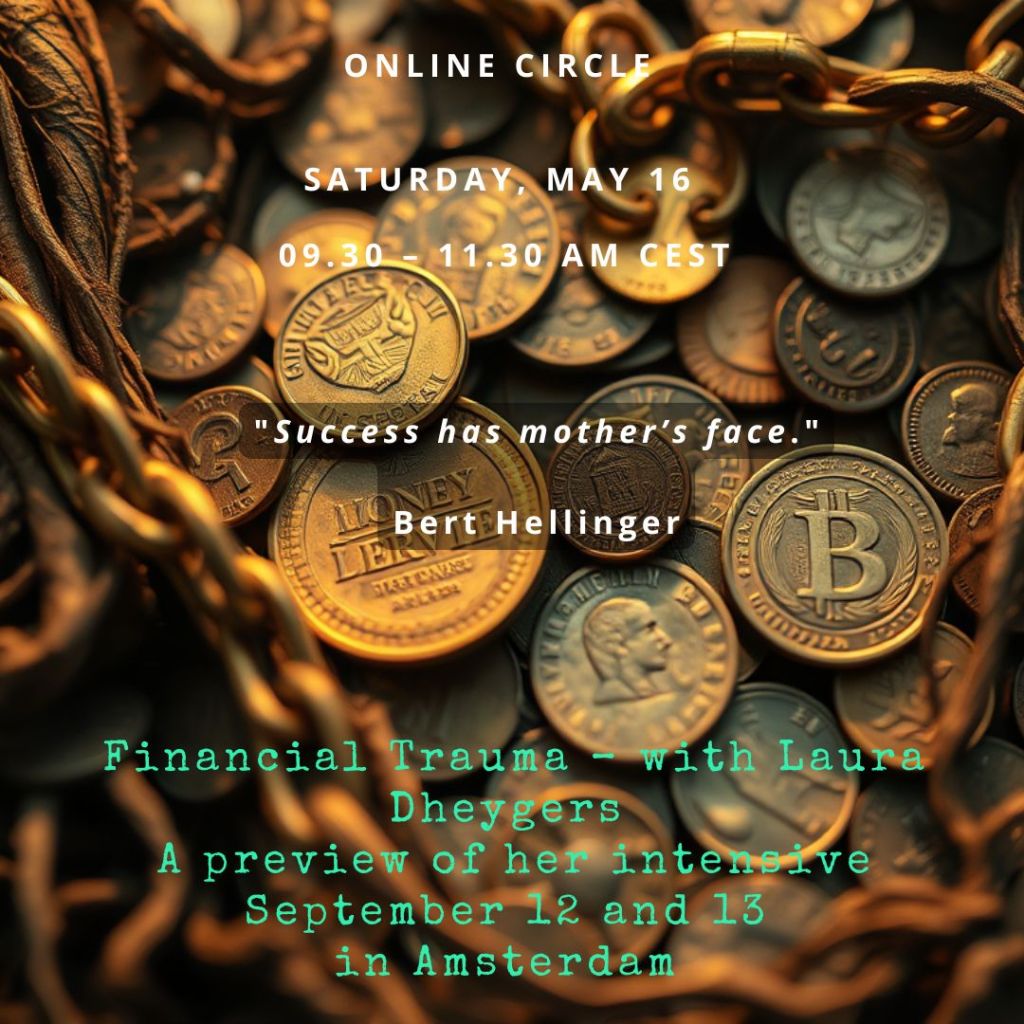
Click on the images to navigate to more information about the online workshop
Mother is our first connection to life
This article is about Mother.
When I refer to “Mother” (with a capital M), I am not referring to a real, individual mother. I am referring to the symbolic or archetypal meaning of Mother — the image we carry within our psyche.
Across cultures, myths, and fairytales, this image of Mother appears again and again. It is a universal symbol that shapes how we perceive motherhood, what we expect from our own mother, and what we may expect from ourselves if we become a mother.
Our personal experience is shaped by the internalisation of our real mother, but is also influenced by this broader, universal image of Mother.
Sometimes, without fully realising it, we move between these two layers — what was and what we believe should have been.
In this article, we explore the concept of Mother and the roles associated with her, as well as basic dynamics from the perspective of Family Constellations.
The primary roles of the Mother
Several key roles are associated with Mother:
- Childcare
- Unconditional love and emotional support
- Creating harmony
- Managing the household
- Passing on family traditions and values
Of course, in modern families, these roles can also be fulfilled by fathers or other caregivers. However, on the level of archetypes, these qualities are associated with the feminine principle — the energy that creates connection, safety, and continuity within the family.
The feminine principle is primarily centred around the home — the inner world of the family — while the masculine principle is traditionally more oriented toward the outside world.
Childcare
Mother plays a central role in caring for and raising children. This role has a biological basis: only mothers can breastfeed their children.
Beyond physical care, she also guides, educates, and acts as a role model. She not only teaches practical skills, but also transmits moral values, ethics, and ways of relating to the world.
In many ways, this is where a child first learns what it means to be in a relationship — with themselves, with others, and with life.
Unconditional love and emotional support
Another key role associated with Mother is that of providing unconditional love and emotional support.
She offers comfort, attention, and a sense of safety. She creates space for emotions, listens, and helps family members process stress, worries, and personal challenges.
In doing so, she supports not only the children. This supportive role extends to the partner – Father – as well. By serving as a sparring partner and creating a stable, peaceful home environment, Father is better equipped to fulfil responsibilities in the outside world.
In this way, the inner and outer worlds remain connected.
Harmony
Mother plays a central role in maintaining harmony within the family.
Feminine qualities such as empathy, emotional sensitivity, attentive listening, and the ability to regulate emotions contribute to resolving conflicts and creating a sense of connection between family members.
The focus here is on maintaining healthy relationships and a harmonious atmosphere within the home — a place where people can return to themselves.
Household management
Within the home, Mother is the organiser.
This includes managing daily routines, maintaining order, and ensuring that practical needs are met. But it goes beyond the material level. It also involves organising family quality time, creating structure, and supporting the quality of relationships between family members.
All of this contributes to a sense of stability and continuity within the family system.
Family traditions and values
Mother plays an important role in preserving and passing on family traditions and values.
She helps transmit culture, customs, and moral frameworks from one generation to the next. This may be expressed through rituals, celebrations, and shared practices that create continuity and a sense of belonging.
These moments, often simple in nature, can become anchors of connection over time.
The reality: no mother is perfect
It is important to recognise that no real mother fully embodies all of these roles.
No person is perfect — including mothers.
At the same time, our expectations are shaped by the archetypal image of Mother. This can create a gap between expectation and reality.
In addition, a child’s needs are, by nature, endless. No parent can fully meet all of these needs. Parents can only give what they are capable of giving, based on their own capacities, life circumstances, and personal history.
As a result, every person carries, to some extent, unmet needs.
These unmet needs do not simply disappear.
They often find their way back — quietly — in how we relate to others, and to ourselves.
Part of becoming an adult is learning to acknowledge this and finding a way to come to terms with it.
Insights from Family Constellations
These early dynamics do not disappear over time — they continue to shape us, often outside of our awareness.
In the work of Family Constellations, the relationship with the mother is seen as essential.
According to Bert Hellinger, the mother represents our connection to life itself.
The way we relate to our mother has a direct impact on:
- our self-esteem
- our ability to receive (love, support, success, abundance)
When the relationship with the mother is “in peace” — meaning we can accept her as she is — it creates a sense of inner stability. From that place, we are generally more open to life and better able to build healthy relationships.
Often, this also brings a certain ease — as if life no longer has to be carried alone.
When the bond is more difficult, this can manifest as insecurity, emotional dependence, or challenges in forming and maintaining relationships.
Closing
The role of the mother is complex, layered, and deeply influential.
It is shaped by both personal experience and collective imagery. It includes both what was given and what may have been missing.
Understanding this dynamic is an important step in personal development.
Because ultimately, it is not only about what we received from our mother —
but about how we relate to it in our lives today.
In future blog posts, we will explore these dynamics further through the lens of Family Constellations. Don’t forget to follow me!!!
Inspired by:
Hazen, S. Leerboek Familieopstellingen
https://www.segretidellamente.com/en/blog/family-constellations-mother-role-first-bond-life/
https://www.sunlife.co.id/en/life-moments/building-a-family/peran-ibu-dalam-keluarga/
 Systemic Ritual and Systemic Constellations