By Susanne Hazen and Josianne Zwart (Hey Joos! Virtual assistant & projectmanager) Photo: shelby-deeter–XlBjdtRqK8-unsplash.jpg
In the previous blog, I wrote about balance and disbalance in relationships and what impact this has on a relationship. It is about giving and taking, but what if one person gives much more than the other? I’ll tell you more in this blog by describing situations that impact the current relationship if nobody pays attention to it.
Sexual needs
There can be a disbalance in the need for sex. In general, one of the partners has a higher sex drive than the other. What helps is that the other person then says: “Thank you for your need for me. Even when I am – at this moment – not available for you.”
Do you want to know more about how a constellation or Systemic Ritual can work for you? During the online workshops, you can get to know Systemic Ritual at an entry-level. I’ll tell you more about systemic constellations and rituals, but we will mainly do some constellations or practices. In that way, you can experience how it works and what it can do for you. Do you want more and live? Click here for the workshop series in Amsterdam ‘Hidden Dynamics’. Already a facilitator and want more tools? Maybe the course is something for you: Course Systemic Ritual
Affair In general, an affair is a symptom of something missing in a relationship. A good sentence for the partner who cheated on his/her partner can be: “I had an affair, but what I was looking for in this other person, I wished to get from you.”
The other person can answer with: “I’m sorry I didn’t have enough attention for you.”
Both partners have to take up their share of the responsibility for what happened. This way, the guilt will be shared. A form of revenge can be needed from the other person to let the love flow again. An appropriate compensation can be to confide in a friend and tell him/her about the situation.
Abortion (or miscarriage) Abortion has a lot of impact on a relationship. This is often overlooked. The aborted child must be given a place in the family. The relationship is at risk in the event of an abortion or a miscarriage, unless the parents take responsibility and grieve together.
Healing sentences can be – in the case of abortion: “We have both asked you to leave and we carry our responsibility. We now take you in our hearts completely and grieve together.”
In case of a spontaneous miscarriage: “We would have loved to see you come into our lives, but unfortunately, you had to leave. You have a spot in our hearts and in our family. We carry this loss together and grieve together.”
Sometimes a woman terminates the pregnancy without telling her partner. This, too, has to be acknowledged.
Infertility When one of the partners is infertile in a heterosexual relationship, it can become a big problem for both partners.
Healing sentences are when the infertile partner says to the other: “This is my fate. I carry it completely. You are free to stay, but you are also free to go.” If the partner stays: “Thank you for staying. This is a big gift to me.”
Partners of equal sex who want to have a baby, need a third party who donates the sperm or egg, or wants to carry the baby until it is born (in a man-man relationship). It is of great interest for the partners and the child that this third person is acknowledged and honoured. This also counts for heterosexual couples who have had a baby through a donor.
Mixed families A huge change will happen when two families come together, and partners bring children from a former relationship. The former partners must have a place in the new, mixed family.
Constellations can help in such a case because they offer a multidimensional perspective for mixed families. The question for all people (partners, children) is usually: “Where is my place?”
For a facilitator of the constellation, it is important to look for that order which brings the most harmony between all people involved. It is crucial to keep the natural order in mind. There are some ‘rules’ for this natural order. These rules were developed from and have been proven to be the most harmonious in thousands of family constellations.
An important finding is that a new family system takes precedence over an earlier family system. This means that a new relationship from which children are born takes precedence over the previous family system. However, the children born in an earlier relationship of a partner have priority over the new partner.
Healing sentences for the new partner can include: “I chose you with your children. We all come together. I agree that you give your children precedence over me, as I came into your lives at a later stage.”
This was level 1 of systemic impact: what happened in the current relationship that didn’t get any attention. In the next blog, I’ll describe level 2 of systemic impact: previous relationships.
By Susanne Hazen and Josianne Zwart (Hey Joos! Virtual assistant & projectmanager) Photo: Andrik-langfield–kCQwY1rd6I-unsplash.jpg
Various events that happen while being in a relationship have an impact on that relationship. This can be an affair, the loss of a job, the passing of one of the parents, or a disbalance in giving and taking. In the following few blogs, I’ll tell you everything about the different levels of impact. Today I’ll describe the first level: what happened in the current relationship that didn’t get any attention?
The feeling of being incomplete
Attraction is the driving force behind the start of a relationship.
Do you want to know more about how a constellation or Systemic Ritual can work for you? During the online workshops, you can get to know Systemic Ritual at an entry-level. I’ll tell you more about systemic constellations and rituals, but we will mainly do some constellations or practices. In that way, you can experience how it works and what it can do for you. Do you want more and live? Click here for the workshop series in Amsterdam ‘Hidden Dynamics’. Already a facilitator and want more tools? Maybe the course is something for you: Course Systemic Ritual
Everyone has, in their subconscious, an image of what he/she finds attractive. But we mainly look for someone who makes us complete. We look for someone who has qualities that we appreciate or that we haven’t yet developed ourselves.
In a relationship, it is important that the needs of both partners towards each other are equal. The man or woman wishes that his or her partner needs him or her as much as she/he needs him/her. This requires the feeling of ‘being incomplete’. A feeling that many people have.
If each partner sees the qualities in the other person that he/she wants, then he/she can see the other one as the one who makes him/her complete or who complements him/her with the qualities that he/she wants so desperately. This forms a good start for a relationship. It makes space for gratitude.
Disbalance
What if we look for qualities about status, like money, wealth or an important position in society? This is when a power complex arises. The ‘richer’ person in the relationship has power, but the other person doesn’t. In many of these cases, the relationship won’t develop and won’t be everlasting. The same goes for relationships in which partners have a significant age difference (>15 years). The danger that one person will take up a parent role or the risk of repeating a parent-child pattern sneaks around the corner. We have read that in this blog as well.
If there is a mutual balance – equality in the relationship – then we have the right conditions for equal power distribution and intimacy. This will strengthen the relationship in the longer term.
But what if that mutual balance isn’t there? There can be times when one person gives more than the other. This has to be acknowledged, and the balance has to be restored at a later stage. One time one person gives, another time the other person gives. This makes a relationship grow. It grows when one person gives a bit more than the other. Because the other received more, he/she will feel ‘guilty’. The need to give back arises in order to let go of the ‘guilt. This is how the bond between partners grows.
However: from this perspective, even every misstep has to be compensated. In that case in a lower dose. Compensation must take place in a way that both partners win back their dignity and share their guilt. From this perspective, any harmful act has to be answered with some sort of revenge. The other person also does something painful, but it has to be less painful than what the other person has caused. I will give an example later. In the interest of love, we have to restore the balance, even if this asks for a harmful approach. Reconciliation means that the two partners create a new starting point, fed by the wish of staying together.
Each couple has its own balance The skill of giving and taking is taught at a very young age in the family that we are born into and is strongly related to our relationship with our parents. Furthermore, each partner can only give as much as the other can receive and ask as much as the other person can give.
Each couple has to find its own balance. We tend to look for someone who matches us. If you’re good at giving, you’ll probably meet someone good at receiving. This is how you create balance in some aspects. Actually, together you create a disbalance by which both of you feel happy. Of course, in this case, the couple has to take care that the disbalance won’t grow too big. It is good as long as both feel happy with it.
A significant disbalance in giving and taking can disturb relationships. As an example: It can be that one of the partners made a huge sacrifice for the relationship: leaving a country and family behind or breaking up a career. Especially in those cases, there must be acknowledgement and gratitude for this sacrifice. Sometimes the disbalance in giving and taking can only be acknowledged because the other person simply can’t restore the balance. The only solution here is gratitude towards the other. If there is an overwhelming disbalance, gratitude is essential to the solution.
In this blog, I described level 1 of the systemic impact on relationships: what happened in the current relationship that didn’t get enough attention? Each couple has to find balance, but what if there is a significant disbalance? In the next blog, I’ll describe several examples of such a disbalance: the difference in sexual needs, but also the impact of an abortion or miscarriage, an affair, infertility or mixed families.
By Susanne Hazen and Josianne Zwart (Hey Joos! Virtual assistant & projectmanager) Photo: Ioann Mark Kuznietsov, published on Unsplash
In an earlier published blog, you read about power in relationships and the fact that every relationship finds itself in a cross-cultural war: two people who come together in a relationship leave their family norms and values behind so they can ‘walk a new path’ together. That process quite often comes with fights. Not only because both partners leave the ‘rules’ of their family of origin behind, but also because one partner wants something from the other that he or she couldn’t get from his/her parents.
Fill the emptiness
In this previous blog you have read that everyone has an empty jar of needs that they want to be filled by something or someone else. This is why we have subconscious expectations towards a partner: you try to get something that you didn’t get from your parents. But that is not how it works.
To build on a strong partner relationship, both have to heal, be aware, grow up and act as adults. If we want something from the other person that we didn’t get from our parents, we keep hanging on to a parent-child relationship: we keep asking for something that the other person can never give us. This is an important source of frustration, irritation and aggression. A source that may lead to you pushing away your partner.
The influence on partner relationships
So there are many factors influencing your relationship. The attachment you have with your parents is of great influence as well. The attachment style as we experienced it together with our parents, determines how we see relationships. Think of it as a lens through which we see and experience relationships. The attachment style you have determines how safe you think relationships are.
There are four styles to which I give you a short introduction.
Secure attachment
These people are in touch with their feelings, are competent and have successful relationships in general. Besides that, they are trustworthy and consistent and they take decisions together with their partner. They are flexible, communicate clearly and are not afraid of commitment.
Avoidant attachment
To protect themselves, these people have learned to push other people away. Feelings are locked away and they count on nobody except for themselves. To them, a relationship equals a loss of freedom. Besides that, they have unrealistic beliefs about what a romantic relationship should look like.
Ambivalent attachment
These people are the opposite: they want to be in a relationship and are constantly worried that people won’t like them or even that they will leave them. They desperately want to be close to the other person. They are unhappy when they’re not in a relationship, are afraid of rejection and communicate poorly.
Disorganized
These adults feel the need to connect to others. But: being close to someone and working on intimacy feels too overwhelming and threatening. It can even lead to them ignoring intimacy at all.
How to work with attachment disorders
Regular psychology has done tons of research on attachment disorders and interventions. A family constellation can be very useful when you want to look at hidden identifications and entanglements. Other types of therapy can be helpful as well when you want to help someone with an attachment disorder and help couples with their communication. However, it is advised to do a family constellation additionally to other therapy and not as a stand-alone intervention when an attachment disorder is clear.
A Systemic Ritual can help make you strong and give back your confidence. We do exercises to make the love flow after a traumatic break of trust – think of hospitalization shortly after birth or premature birth – and to give back safety and basic trust.
During the online workshops, you can get to know Systemic Ritual at an entry-level. I’ll tell you more about systemic constellations and rituals, but we will mainly do some constellations or practices so you can experience how it works and what it can do for you. Do you want more and live? Click here for the workshop series ‘Hidden Dynamics’.
Source:
Delfos, M.F: Ontwikkeling in vogelvlucht. Ontwikkeling van kinderen en adolescenten. (development at a glance. Development of children and adolescents)
By Susanne Hazen and Josianne Zwart (Hey Joos! Virtual assistant & projectmanager) Photo: Maico Pereira, published on Unsplash
We are all programmed to do everything we can to belong to a group. Our existence depends on it: we have to be part of a group to survive. We come from our family of origin – the first and usually most important group to which we belong – with deep attachments. Family and cultural norms and values can be added on top of that. This can be tricky if you find a partner who, logically, brings his or her own family values. And how does that work in a cross-cultural or non-traditional relationship? That makes it even more complicated.
Loyalty to our family of origin The family norms we have, are partially explicitly taught via our upbringing. However, they are taught implicitly for the biggest part. This starts with our existence in the womb, goes on through our childhood and goes even further. This is why everyone is loyal to his or her parents and that value system.
andrik-langfield-N8Bqv6hfvow-unsplash.jpeg
When two people come together and start being a couple, both of them will have that loyalty to their family of origin. Two different perspectives come together, that will want to move forward on a shared path. This is only possible when both partners are open to it and when they commit themselves to create that third path. Only then, they can move forward as a couple.
When these people come together as a couple, they both have to let go of a part of the conscience of the family group; they leave the codes of their family of origin behind. If they don’t do that, there will be fights: a power battle in which one of them wants to be right and the other one will be wrong. This battle is usually not solvable based on content, because the two people involved are unaware of the exact content. This means that every relationship or marriage is in a cross-cultural war. Even when both partners speak the same language, have the same skin colour and/or believe in the same religion. Each family has their own norms, values and loyalties, which we partially leave behind when starting a new relationship. Naturally, this brings along a feeling of guilt.
An actual cross-cultural relationship, which means a relationship in which the partners come from different countries, and have different religions or cultures, comes with extra challenges. I’ll explain why.
Where two cultures or religions sleep on one pillow, the devil sleeps between them.
The above title is an old Dutch saying, meaning that when people from two cultures or religions come together in a relationship, it almost never goes right.
Power usually plays a role in cross-cultural relationships. But there must be a balance between both partners to experience real intimacy. Think about money: one person has it, and the other doesn’t. Who has the power? Precisely, the person with the money. Because money equals power.
shingi-rice-m3vewSvFk_k-unsplash.jpeg
Another critical aspect in a cross-cultural relationship is language. How much balance is there if you have to speak in a different language than your own? What is it like to have a partner who speaks a different language? What is it like if you live in a foreign country, possibly far away from your family of origin and from everything you know?
It also happens that the family of one partner – or both families – disapprove of the relationship, for example when it comes to religion. A loyalty conflict arises.
Relationships with non-traditional couples Relationships can be cross-cultural, but if you put that aside, there are basically three types of couples:
Man/ woman;
Man/ man;
Woman/ woman;
More variations are possible, of course; think about trans man/ woman, etc.
We know the man/ woman couple well: this is the traditional type. This relationship can be quite complex, as we’ve read in this blog. The relationship between partners who are in a non-traditional relationship is even more complicated.
The orders of love, as Hellinger found, came from observations of heterosexual couples during constellations. But through ages and cultures, it turned out that relationships were much more diverse than this and that everything and everyone has to be included.
In the past and often in the present, non-traditional relationships have to stay hidden. This brings along a lot of collective trauma, coming from discrimination and persecution.
We still live in a world dominated by ‘being straight’. This is still the norm and seems superior. This means that people who are not straight, don’t really recognize themselves in the current society. Because of those current norms, people who are not straight have (almost) no examples of how to deal with relationships, separations, children, etc.
How to support those groups with Systemic work? A lot of research still has to be done on how to support those groups. Connecting with ancestors from different times or cultures, or connecting them with ancestors who have walked the same path are good options.
If you find yourself struggling with this, because you’re in a cross-cultural or non-traditional relationship, we can support you with a Systemic Ritual.
During the online workshops, you can get to know Systemic Ritual at an entry-level. I’ll tell you more about systemic constellations and rituals, but we will mainly do some constellations or practices so you can experience how it works and what it can do for you. Do you want more and live? Click here for the workshop series ‘Hidden Dynamics’.
By Susanne Hazen and Josianne Zwart (Hey Joos! Virtual assistant & projectmanager) Photo: Laura Fuhrman, published on Unsplash
Not a single parent is perfect. Even if your father and mother would have been some kind of Buddhas, they wouldn’t have been ideal for you. Even Buddhas aren’t capable of giving a child what it needs, since the needs of a child are endless. Besides that, parents have their obligations and responsibilities towards their children. This means that they can’t just fulfil all their child’s needs. The result is that everyone of us has a jar of unfulfilled needs that has to be filled by something or someone else.
Falling in blind love As we get older, we fall in love. Hormones are flying around, and this magical feeling arises: there is the one who can heal you and who can fill that jar of unfulfilled needs.
But the thing is: you don’t see that other person at all, and that person doesn’t see you either. You see someone who loves you until the end of time, but that comes from your own needs and desires. Each desire muddles the perception.
We already know that the state of being in love doesn’t last forever, but that it is a feeling driven by hormones. After a while, disappointment comes around the corner, and from that state comes rage. As you can read in the previous blog post, this is mainly old rage from someone’s childhood or rage coming from transgenerational connections. The rage that comes from old pain and is being projected onto someone else in the current time, is called ‘transference’ in psychoanalysis.
Dynamics in relations based on childhood patterns The rage from someone’s childhood or transgenerational connections, where does that come from?
Women have expectations towards their partner, unknowingly. He has to have something from her father, but also from her mother. She sees both of them in her partner.
When a woman is frustrated with her husband, she’ll have a deep desire for her own father and mother. In her mind, the connection with her father was not complete, and she’ll want to fill this void via her husband. But that turned out to be a fairytale. So when this woman has a son, she’ll focus her desire for male energy on the son, since she couldn’t find that with her father and husband.
The same happens with a man who turns into the father of a girl. The thing he hoped to find with his mother (and later with his wife) but could not get from the both of them, he’ll start looking for with his daughter.
This way, children are being used for something that they’re not. Those children can easily feel the needs of their parents and are so loyal and full of love towards them that they want to fulfil their parents’ needs. However, they know that something is wrong and that they are being used. Eventually, this abuse will drive them to rage, usually hidden. This rage has to come out at some point, and it will be projected onto someone else.
The woman, her father’s princess, will have difficulties with men. The rage that was destined for her father, will be targeted toward other men. The men, their mothers’ princes, will feel the same. They will have trouble in relationships because the man is unknowingly mad at his mother. He projects his rage toward other women.
But then what? What if you target your rage against someone else?
You’ll break up your relationship and try it with someone else;
You’ll get frustrated and lose all hope after trying multiple times. You give up;
Or: you research your own patterns and come to new perspectives. You have to heal something within yourself, be aware of that and change yourself.
Healing movement and sentences To heal the rage within you, you can do a constellation. In a constellation, we can make the dynamics between mother/son or father/daughter visible. As a healing sentence, the ‘parent’ can say: “I gave you what I could give you.”
The parent (representative of) who says that, has to be confident and in strength. A strong parent is what a child needs.
Connecting with someone else is not only taught by our parents or caregivers, but is also influenced by intergenerational trauma, that we can research with family constellations or Systemic Ritual.
Want to know more? As described above, this is simply put what we can do during a constellation or Systemic Ritual, where we make the dynamics between a parent and child visible. During the online workshops, you can get to know Systemic Ritual at an entry-level. I’ll tell you more about systemic constellations and rituals, but we will mainly do some constellations or rituals so you can experience how it works and what it can do for you. Do you want more, and live? Click here for the workshop series ‘Hidden Dynamics’. This starts on Saturday morning, 24 September, in Amsterdam.
By Susanne Hazen and Josianne Zwart (Hey Joos! Virtual assistant & projectmanager) Photo: Rod Long, published on Unsplash
A couple relationship isn’t a relationship between two people, but a relationship between many people. Think of it as the congregation of two planets: each planet is connected to a bigger picture. As human beings, we’re also part of a bigger picture: a family, a living environment, a country, a culture. When you’re in a couple relationship, you will also deal with his or her family, living environment, culture, etc.
When you really like someone, the feeling of being in love comes up: “I have butterflies in my stomach!” or “I found the one!” But: being in love is a feeling triggered by hormones and ‘only’ lasts between three days and two years, according to American research. By then, the real work begins.
At the same time, being in love doesn’t have anything to do with everlasting love. It’s being romanticized by Western society: in fairytales or movies with a happy ending. The reality is much different.
Why is that reality different? Why don’t relationships work and why are there that many breakups and divorces? About 10 to 15% of the divorces in the Netherlands are a so-called ‘fight divorce’. The characteristics of such a divorce are heavy fights and lots of rage between the people in that relationship. When children are involved and parents don’t have (any) healthy contact, the children pay the highest price.
Where does this (disproportionate) rage come from?
Normal rage is a physical reaction that helps you to achieve your goals, set boundaries or defend yourself.
If you use it the right way.
However, most of the rage is ‘infected’: it’s mixed up with old rage. This is when rage becomes destructive and disproportionate. So, this rage can be infected by events from someone’s personal past: lots of rage comes from one’s childhood, but there is also rage coming from transgenerational connections; the connections you have with your ancestors.
When there is conflict, it isn’t between two adults in a relationship. It’s with their old child’s emotions, their inner child or lots of men and women from the past who bring this rage out.
I said it at the beginning: a couple relationship isn’t a relationship between two people, but a relationship between many. You’re not just married or in a relationship with your partner, but also with his or her father/mother and ancestral and socio-cultural background.
This is the base of family constellations and Systemic Ritual: methodologies that shed light and can bring enlightenment to the underlying dynamics of a situation.
With Systemic Ritual, you see the influence of family constellations:
There are representatives;
Healing phrases are spoken;
The healing effect works for the entire system, not for one individual;
The healing isn’t based on an individual’s capabilities, but you’ll also see that forces from outside are being used. For example, from an ancestor;
Both dead and living people have a role. Both exist in the here and now. The deceased only live in another ‘dimension’ or ‘world’.
A Systemic Ritual is enriched with principles from Shamanism: a connection is made with ‘power sources’. Who or what can give enough support or power to the client in order for a next healing movement to be made? For example, participants are asked to represent a ‘healer.’ A Systemic Ritual can also work with qualities of the four directions or the various souls or bodies – concepts from Shamanism.
The difference with a family constellation
When we work with Systemic Rituals, the exact details of a family constellation aren’t needed. With a family constellation, a confrontation usually takes place between the client and the one in the system with whom the client has an issue: this weakens the client. In Systemic Ritual we look for a connection with strength: for example, a connection with an ancestor who can give a healing power. The addition of power sources is an important addition to Systemic Ritual. There has to be enough strength to go up against the confrontation, as it happens in a family constellation. Do you want to read more? Click here.
Do you want to take part?
Do you want to get to know Systemic Ritual in an accessible way? Then, the online workshops might be perfect for you: I’ll tell you more about systemic constellations and Systemic Ritual, but we will mainly do some constellations or rituals, so you can experience how it works and what it can do for you. Do you want more, and live? Click here for the workshop series ‘Hidden Dynamics’. You can find all workshops and courses here.
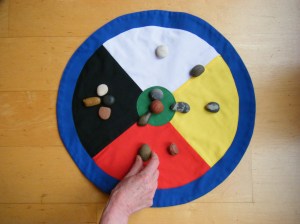
The four directions as a compass for your path of life.
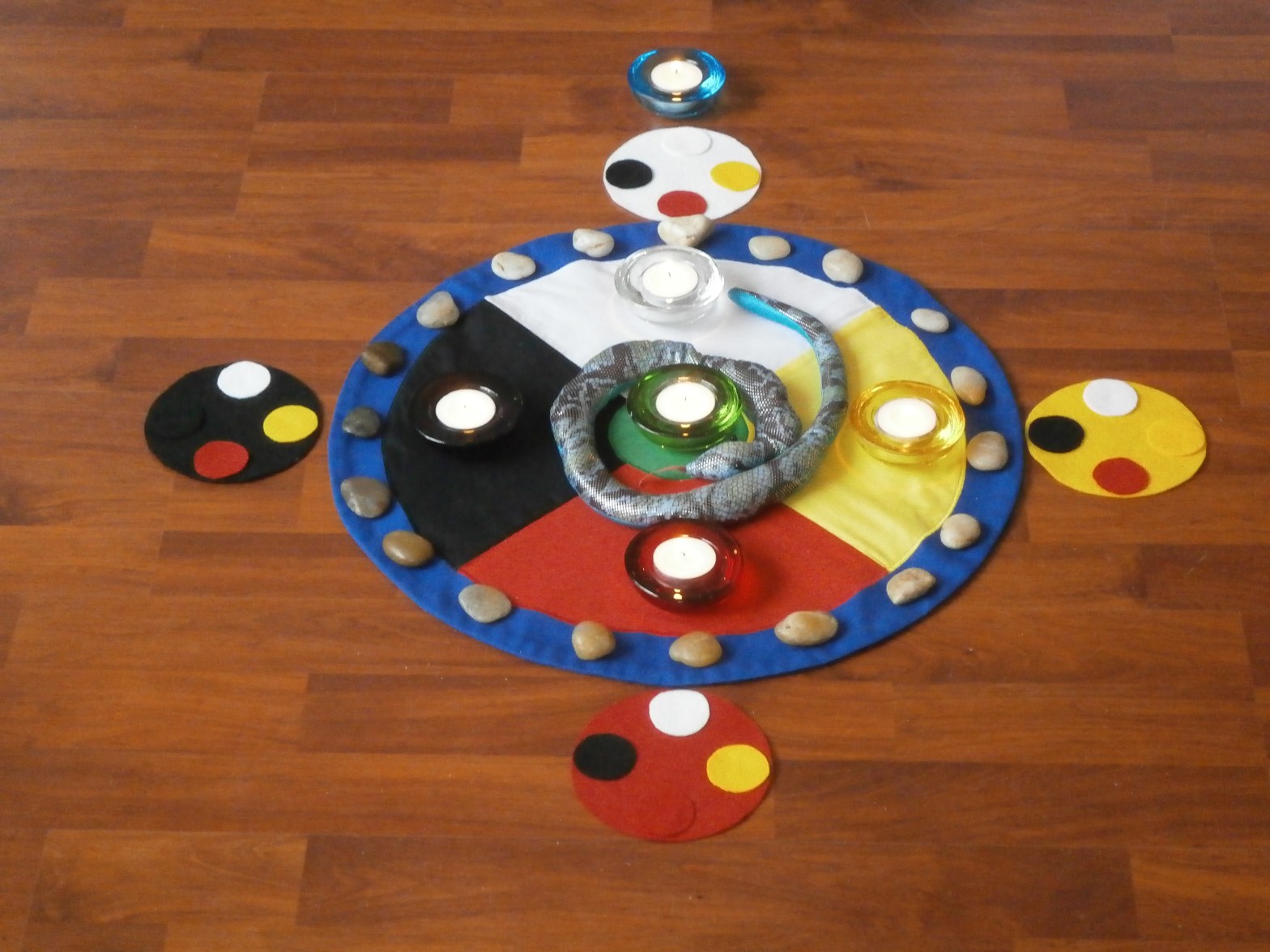
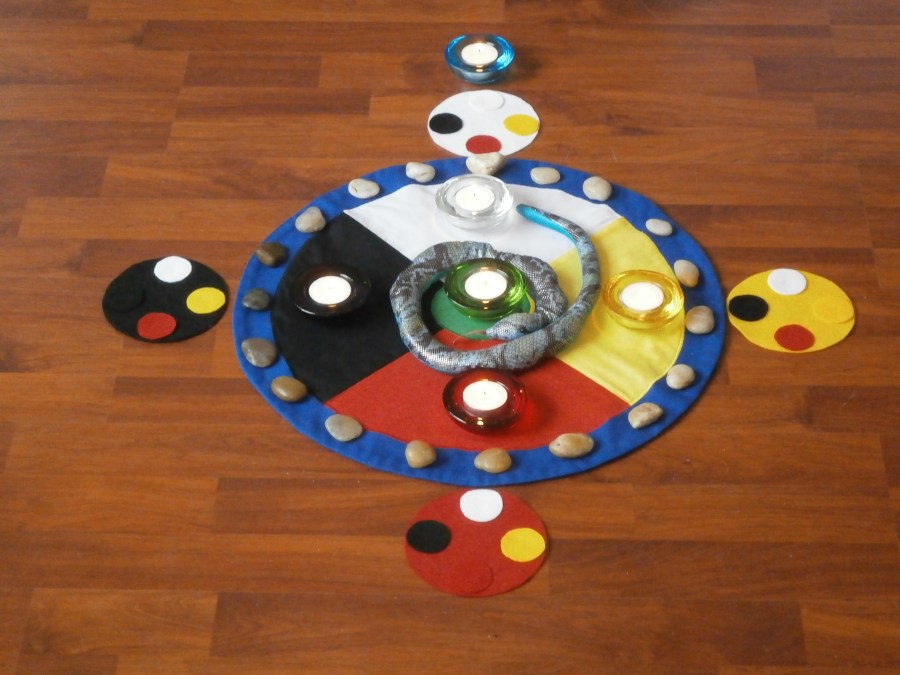
The wheel of the four directions – also known as the Medicine Wheel – is a model from shamanic cultures. The wheel teaches you that there are always four perspectives from which you can look at things. The four views are derived from the four directions: North, East, South, and West. Each direction has its own specific qualities, and each direction supports the other three through its characteristics. The four directions belong together; they form a whole. They work together in a complementary way. The wheel of four directions can thus bring order. It is a helping map that can bring insight at different levels – the mental, emotional and soul level. It shows you in which direction your qualities lie, where you are deficient, where you can gain strength, and where you can find balance. The wheel of the four directions forms the basic ground plan within which a Systemic Ritual takes place.
The direction of the East
The East encompasses the qualities of renewal, contemplation, perception, oversight, and orientation on the world around us.
Suddenly having clear insights is an eastern force. The East is uninhibited (like a child). Another quality of the East is the ability to regenerate – the East power provides recovery, renewal, and “rejuvenation”. Because the East has the quality of being able to perceive sharply – perceiving both the detail and the whole – it also has the power to add structure.
The energy of the East is most present in the spring, in the morning, at the waxing moon.
The energy of the East is most present in the spring, in the morning, at the waxing moon. In our personal life, it is the period of childhood. In the Northeast, the baby is born, and in the Southeast, the adolescent enters the adult world. The East knows the curiosity and the lust discovery drive of the child and the teenager.
The Wheel of the four directions forms one of the basic ground plans in which a systemic ritual takes place. The Wheel of the four directions works with the qualities of the four cardinal directions, which means no more than the conscious application of the universal cycle of ‘coming’ / ‘being’ / ‘going’ / ‘rest’ and all associated qualities. The Wheel brings order, depth, insight and balance on the mental, emotional and soul levels.
The book The Four Directions you can order from me – email me: susanne@sejhazen.nl
Costs:
Book
Shipping Costs – (estimation – I will tell you the exact price when you order)
Total
€ 19,80
€ 6,65 (Netherlands)
€ 26,45
€ 13,50 (EU countries)
€ 28,00
€ 14,50 (United Kingdom)
€ 29,70
€ 17,00 (United States)
€ 34,80
The “East person”
People with highly developed East qualities can be people who have many ideas and/or can oversee structures well, can create conditions, can explain things well to others, and can change things quickly and easily. When you have highly developed East qualities, you are clear, you have an overview, and you are good at planning. The East has few emotions. “East persons” can therefore appear a bit cool. An “East person” is not the type who gives or wishes to receive a long and firm hug. An East person is future-oriented. This is the opposite of the “West person” who is nostalgic.
Unbalanced East qualities
When the East qualities “overshoot” or when the qualities of the other directions insufficiently balance the East, problems arise. When there is too much focus on structure, this can be at the expense of the other qualities of the East: open-mindedness, creativity and the ability to improvise. Obsessive and compulsive behaviour shows the pathology of the East. Structures take on a life of their own. Unbalanced East energy can also cause someone to “drown” in ideas. One idea to another arises, but the vision, planning and structure are missing. And nothing is ever done with all those ideas. Or worse, something new is always started up, but never brought to full implementation (the South). In severe form, this can be harmful to someone and his environment and lead to debts, among other things. Such a kind of person can start to lie to others to keep himself unguilty not my fault, everyone and everything worked against me, but next week I will have … or I promise you that the next week …… ). In the case of lying the qualities of being creative and being able to see and think of new possibilities are used in a destructive way. Someone with such an unbalanced East energy is incapable of taking real responsibility for his actions and does not get access to the qualities of the South.
The direction of the South
The South encompasses the quality of maturity. The energy of the South is most present in the summer, in the afternoon, at the full moon. In our personal life, it is the period of adulthood. That is the period in which we take on our responsibilities as adults. These include: starting a family, making a career, earning money, providing a roof over your head, belonging to a group (colleagues, sports club, a circle of friends, etc.) | The qualities of the South are: take action, carry out, persist, persevere, and communicate. The South is concerned with the physical manifestation. The South has also the quality of communication. It’s about interacting with the people around you. This is expressed in friendliness and cooperation, but also in friction and conflicts. The South has extroverted energy.
The “South person”.
When you have highly developed South qualities, you like to be physically active. You always want to be busy, and that includes chilling out with the people around you, good food and a drink. Sensory experience is vital to a “South person”, as is contact with others. Hobbies that suit the “South person” are hobbies where there is a lot of contact with others – this can be collaborative or competitive – and where physical activities are central. Think of team sports, but also conducting political debates, for example.
Unbalanced South Qualities
When the South is too active for a long time or insufficiently compensated by the qualities of the other directions, problems arise. For example, someone becomes hyperactive, cannot stop his activities, takes on too many responsibilities and eventually burns out. The focus on the other can also get unbalanced and become an obsession. Then you will cling too much to someone else, and if you do not accept the boundary that the other indicates, you could well be called a stalker. Your desire for connection is entirely out of proportion, and the result is the opposite. Also, too much attachment to sensory experience can lead to dependence or addiction. And that can happen in all kinds of areas: alcohol, drugs, nicotine, sex, gambling, shopping… . Unbalanced South energy can also lead to dominating others and even abuse of others. Or even the opposite – wanting to be dominated.
The direction of the West
The West includes the qualities of completion, evaluation, contemplation, letting go, cleansing, discharging and being in touch with the inner world of emotions, needs, desires, values, and desires. In the West, we get rid of ballast, of the superfluous, so that the essence becomes visible. The energy of the West is most present in the fall, in the evening, with the waning moon. In our personal life, it is the period of ageing. Children are about to leave the nest. (Grand) parents die. Questions like “is this all”, and “is this what I want” come up. The West is the inner world – what are my wants, needs, and values? It involves coming to an acceptance of how things have gone, an acceptance of how you did it and how others contributed to it, and thus an acceptance of others and the world as it is. The West eventually brings us to old age, and eventually, we die in the North West.
The “West person”
When you have highly developed West qualities, you will intensely experience the world, accompanied by intense and deep emotions. Things are released in the West, which means that there is a lack of structure and more chaos and confusing situations can arise. This can sometimes manifest itself in being unable or unwilling to adhere to generally accepted norms and values, rules, agreements, and plans. The “West person” “thinks in images and his inner world and feelings are central. The West person has more contact with the past. Hobbies that suit the “West person” are hobbies where he/she can come into contact with his inner world: painting, poetry, writing, reading, and meditation….
Unbalanced West Energy
When the West energy is too active or is insufficiently balanced by the qualities of the other directions, problems arise. The West is where things are released, where you sometimes can’t control your emotions and lose control. That can sometimes happen. If all goes well, we manage not to let it go too far and cause too much damage, and we manage to stop ourselves. If all goes well ……. If not, then this aspect of the West is disturbed. An imbalance of the West can also make a person make things worse than they are – continually complaining, whining, being annoyed, and drawing everything to themselves. There is no longer an eye for new and stimulating insights. The West aspect of the breakdown has become the only reality for anyone. Not being able to let go can lead to feelings of resentment and hatred – two emotions that are destructive to oneself and the outside world. The West is also the place where psychosis arises, disintegration, and degeneration. No distinction is then made between images from the unconscious, fears and physical reality. The sense of reality has disappeared.
The direction of the North
In the North, peace, and doing nothing is paramount. Just BEing it, pure consciousness. It is the place where all experience, yours and all other souls who have dared to tread the wheel of earthly existence, is collected. Where all experiences crystallize and combine in great wisdom. The personality that you had/were in earthly existence has been dissolved. It is the place of the departed souls, of our ancestors. We were born out of the North, and we’re going back there.
The “North Person”
People with highly developed north qualities prefer to keep their distance and tend not to get fully involved with the things that are happening around them. They prefer to view from a distance in order to gain wisdom.” North people” will enjoy meditating. Meditation feeds the north energy.
Unbalanced North qualities
When the north strength “overshoots” and/or is insufficiently balanced by the qualities of the other directions, problems arise. It is entirely normal and healthy to withdraw from others every now and then. When contact is continuously avoided, it is no longer healthy, and there is unbalanced north energy. The demand for peace and stillness has then gone too far. There can also be a loss of contact with the world because someone is only busy with spiritual matters. There is no longer any good conversation possible with others. Another form of unbalanced north energy is dissociation. The outside world is no longer felt and participated in; it is no longer really consciously perceived or experienced. The world can also be experienced as unreal.
Sources: Daan van Kampenhout – The four directions
In a narrow sense, our ancestors are our relatives with whom we have a blood relationship. In a broader sense, it also means joint relatives from earlier times, from which we descend collectively – as humanity, nation, community, population group. In the article ‘Our ancestors, who are they?’ you can read about the Ancestors we have a blood relationship with. This article is about our collective ancestors.
If you are familiar with the four directions, you can give these ancestors a place on the Wheel. In general, our ancestors are in the direction of the North. In this direction, we can find again a complete wheel with four types of ancestors in each direction.
East – the collective ancestors of practical ideas
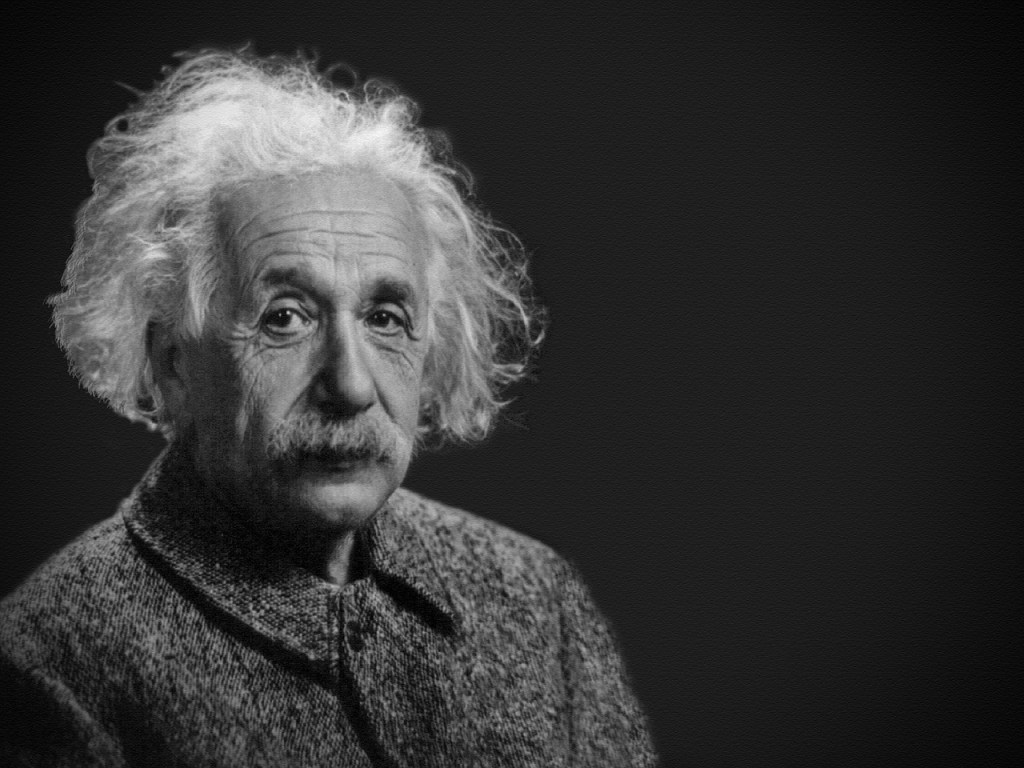
Here we find our collective ancestors who discovered something important that we still benefit from today. For example, people who invented fire, invented medicine, electricity, train, aeroplane, and computers. We can meet here various teachers, inventors of tools and things we use. However, in this field, we don’t only meet our collective ancestors that invented valuable materials. In this field, we also meet people who formulated essential theories in psychology, philosophy, and sciences, for example. These thinkers developed ideas that still influence how we look at the world. These people have shaped our lives. They have made the world a little more comfortable.
South – our biological ancestors – personal
Our biological ancestors gave us our bodies, our biological blueprints. We are in the world because of them. Read more about this in the article: ‘Our ancestors, who are they?’.
West – the collective ancestors of the dreamworld
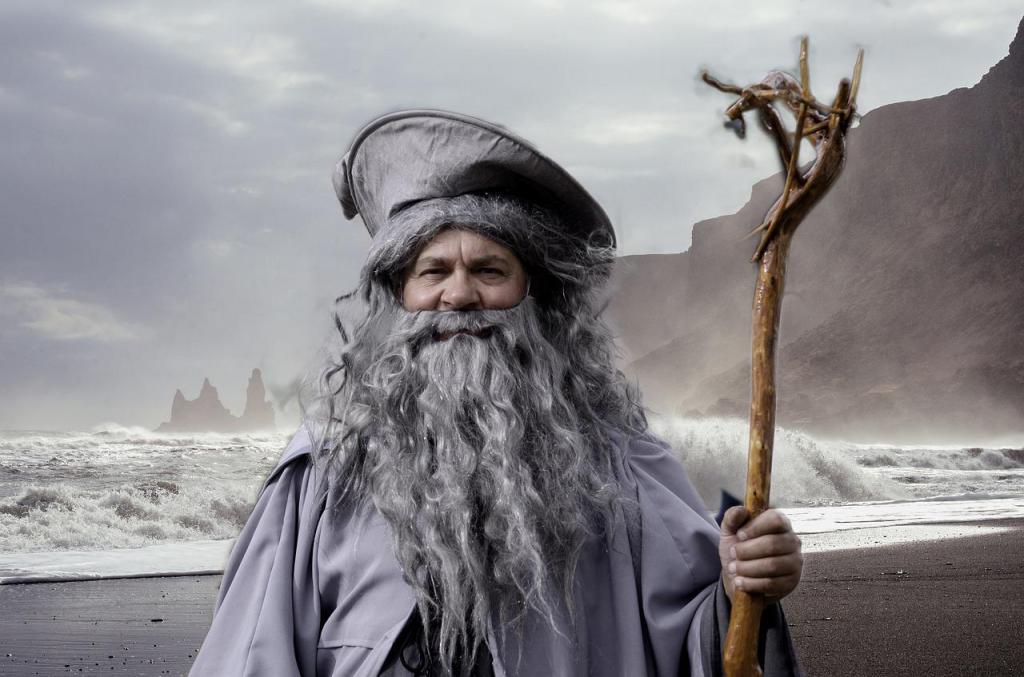
We can also call them the ‘Ancestors’ from the world of myths and dreams. These are the people we meet as guides and friends in dreams, in stories, songs, books, and mythology. They are made from dreams, we can meet them when we dream, and they create dreams. They are ‘characters’ that have come to form a collective dream or concept, for example, Gandalf, Greek gods or goddesses, etc. These characters help us dream, help us to use our imaginations and help us hope for a better world. In that sense, they belong to the West. They can serve as role models in our daydreams and reflections.
North – collective ancestors of spiritual traditions
These are “ancestors”, guides and teachers of our spiritual traditions. They have kept the lineage alive and passed the teaching on. We can meet Jesus or other saints who shaped Christianity in this field and teachers from other traditions: Mohammed, Buddha, Confucius, Rumi, Gandhi ….. . Gurus, shamans, Christian saints, Tibetan lamas, rabbis etc. all belong here. It may be that we came to a tradition through birth, or we may have met later in our life a tradition that inspired us and for which we made a conscious choice.
An individual practice
Take as the ‘focus’ of this exercise your work, or the work you would like to manifest. Then think about the Ancestors of the East – the inventors. Which ancestors of the East can help you? Then think about the Ancestors or the South – which biological ancestor can help you? Do the same for the Ancestors of the West and North.
While doing this exercise you will probably experience that one or two directions are very developed and one or two are less clear or strong. What does this mean for you?
I am fond of animals. Because I care for them, I don’t eat meat since I am 16 years old. Dairy I only take from biological farms (and yes, I know even that is not entirely fair). I really detest the way animals are treated in our society for human consumption, clothing or labour. I don’t want to be a part of that.
I feel connected to animals – not only because they are ‘cute’, but for most that we can learn from them and that they can be our guide, that helps us to explore our inner and outer realms. Animals as teachers and messengers are the guides in the unseen realm. That animals can be our guide, is known for aeons within shamanic and other cultures. In indigenous cultures around the world, shamans journey into the spirit realm sometimes referred to as “non-ordinary reality”. The spirit realm co-exists with our earthly physical one. The beings in the spirit realm don’t have physical bodies. So we can’t see, hear or contact them with our ‘normal’ senses. But we can communicate with them. At night, when asleep, we sometimes journey into the invisible realm to receive guidance from spirit entities. We can also visit them through a “Shamans journey”. In my work with Systemic Ritual – I contact them and ask for their guidance and healing by setting up representatives for the animal helpers. Different animals embody their own unique qualities and powers that they can lend us when we need them. There is a link between spirit animals and animals that share the earth with us. We can see it in the unique characteristics and powers that are common to both the physical animals and their spirit counterparts. So observing intensively the physical animals can help you to gain access to their qualities and powers. Whenever you have a particular need or interest, consider the attributes and characteristics of different physical animals. These reveal the powers of the spirit animals and help you select the one(s) that can best help you whenever you have a specific concern.
In my work with Systemic Ritual (a variation of Systemic Constellation Work), I work a lot with the following animals. I describe some aspects of these animals: qualities and powers I see most often. Of course, there are more qualities and strengths of the same animals – when met in a Systemic Ritual it will show itself and the message that is needed at the moment.
I invite you to meet them.
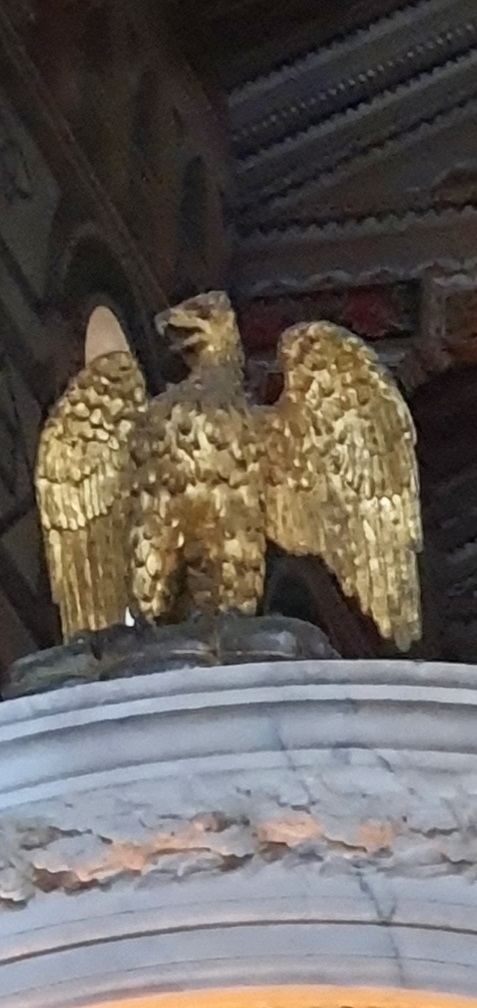
Eagle The eagle is a bird. Birds can fly; they are familiar with the air. The air element represents the mind and such things as heightened awareness, intellectual development and wisdom. Birds, as spirit helpers, can show you how to increase your mental powers and abilities. Birds like the eagle and the owl – have excellent vision. So they can help you to see things around you more clearly. The eagle flies high – so he can help you to create some distance from the things that concern you and look at them from above, from a helicopter view. So you can explore the structures around the theme that occupies you at the moment. The eagle is also able to zoom in – his eyes are like a telescope. From a height of 3 kilometres, he can read a newspaper ;-). So first he explores the whole landscape and then focuses. (He is a hunter – you know!) In this way, he can give you an answer to one of your needs.
Owl Like the eagle, the owl is a bird and helps with seeing more clearly. The owl is an animal of the night – so his power is also in ‘seeing in the dark’ – meaning helping you to look at your shadow aspects and unconsciousness or helping you to see the things that are hidden.
Salamander The salamander can live in water and on the earth – as long as the environment is humid. The earth element represents physical or material qualities. As spirit animals, terrestrial creatures can help you handle matters related to work, money, health and other practical concerns. The water element represents emotions, intuition and creativity. The salamander can regenerate his limbs. If he loses one, it will grow again. So he has an enormous self-healing power.
Parrot The parrot brings in the quality of free expression and communication. He is playful and likes to make noise. The parrot can help us to manifest ourselves without feeling limited in our expression.
Dolphin Also the dolphin can bring us freedom in expression, playfulness and our ability to be curious – our need to discover, our openness to what is, without prejudgments. Because of the element water, the power of the dolphin has more to do with emotional expression and creativity.
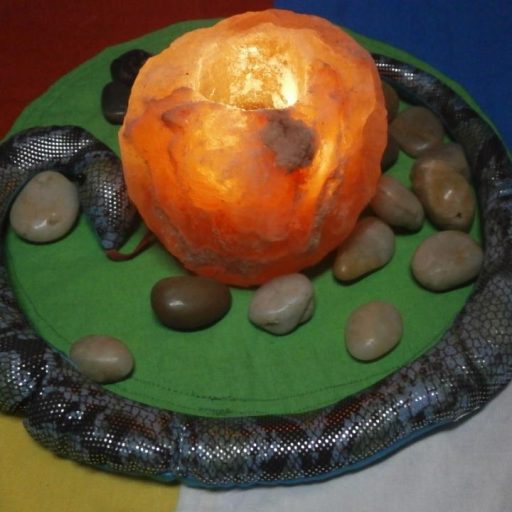
Snake The snake has a female aspect – he is connected to the Goddess in some ancient cultures and he moves in half circles on the ground. The snake also has a male aspect – the snake can erect himself upwards. So the snake can help us to balance our female and masculine qualities. The snake is also connected to our sexual energy and can harmonise that energy. Also is the snake the symbol of wisdom, of healing wisdom – even nowadays it is the symbol of Medicine Art. The snake can help us with skin problems. He knows how to release old skin and replace that for new skin.
Horse The horse can give you power and vitality. Horses can live solitary, but a horse preferably lives in a group. Female horses, as well as male horses, can be group leaders. The horse can help you to take responsibilities and help you to find your place in life. In my work with Systemic Constellation, I often see the quality of the horse in grounding, in standing on both legs.
Peacock The peacock teaches you how to be proud of the things you have achieved and how to embrace and show to the outer world what you have achieved. To present yourself in a positive way.
Vulture The vulture eats what has already died. He eats what is no more necessary in your life, what you can put aside and let go. Cleaning up, diminishing ballast.
Bear The bear sleeps in wintertime. Animals that sleep in winter teach you how to go inwards and step into the dream world, into the depth, into the unconsciousness. The bear digs and makes the roots of trees visible. So he has the power to make our essence visible – the essence of your soul being.
Turtle The turtle is often called grandfather or grandmother. The turtle is one of the oldest animals that live on our earth. So it carries enormous wisdom of life in itself. The turtle is friendly and warm.
Reindeer The Sami call the reindeer the ‘gentle ones, the soft ones’. The female, as well as the male reindeer, has antlers. Their antlers reach towards the stars, towards the ancestors. The antlers are like a stair. A stair that can bring you up and down to the sky, through which you can contact your ancestors and the universe. When the help of ancestors is needed, I call in a representative of the reindeer.
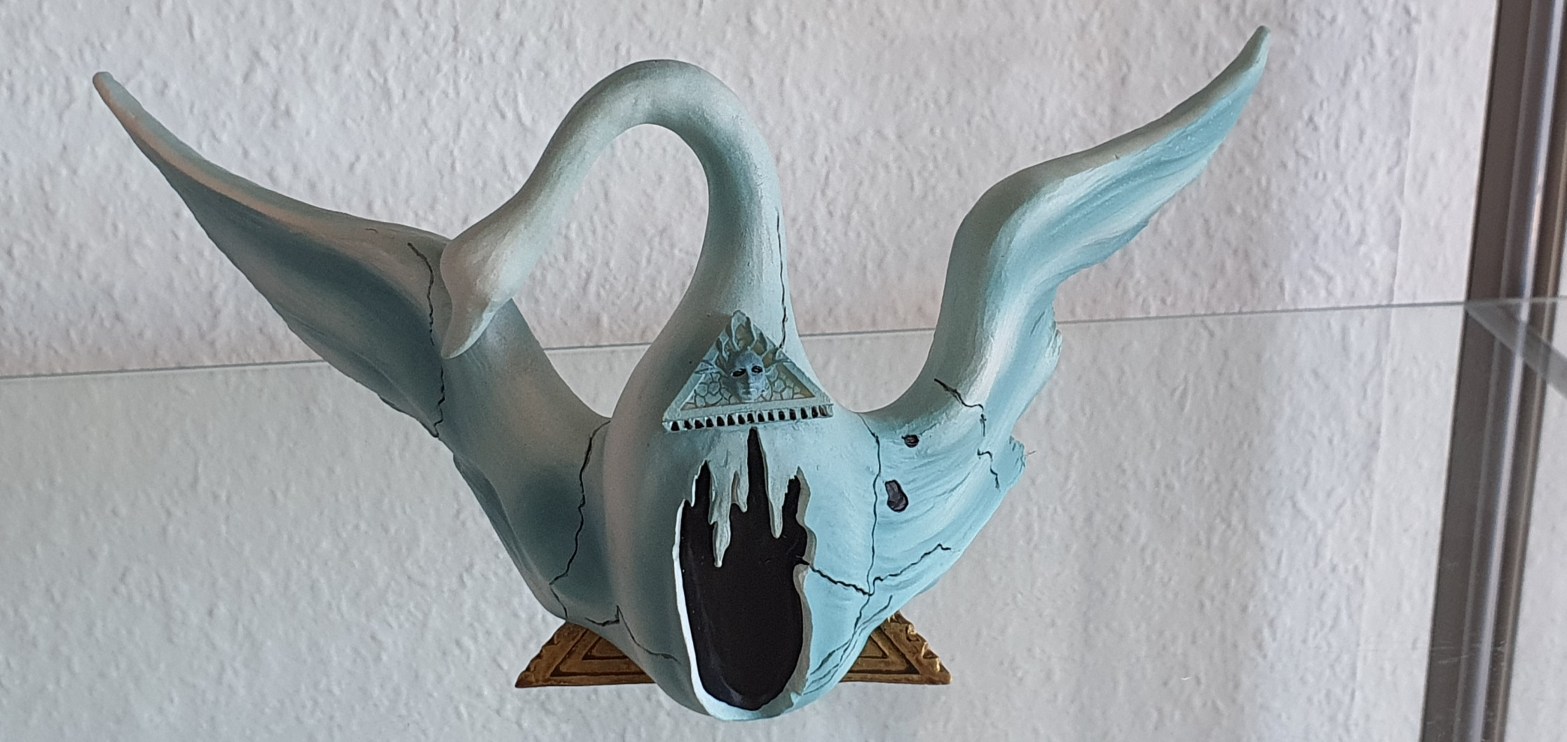
Swan The swan symbolises androgyny. The feminine and the masculine dissolve in the being of the Swan. The polarity disappears. The swan is the protector of the soul. Like the young ones on the back of the swan in the physical world, the spirit Swan protects the soul of sick and traumatised people and brings the soul to safer places. I call in often the spirit of Swan in my work with Soul Retrieval. The swan can also bring deceased souls to the other world. The swan has a strong connection with the ancestors and the angels. The swan is very serene, brings peace and balance. But even then – if necessary – the swan can defend himself powerfully and knows how to set boundaries.
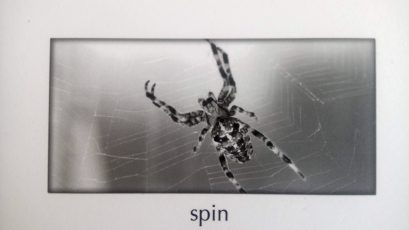
White spider The spider can be a healer of the nervous system. The spider creates its own web and also eats its own web. The spider can take away old structures and patterns and weave a new pattern or structure. He helps with breaking off limiting thinking patterns and replacing them with more helpful thoughts.
In the article ‘Soul loss and soul retrieval’, I wrote about soul parts that have separated from our body and personality at some point in our life. Such a secretion leaves a void, a reduced vitality. Systemic Ritual is one of the methods to get back in touch with those parts and let them come back – if desired.
And what happens after a ritual in which soul parts are retrieved?
After a soul retrieval, you often hear people say that they feel ‘more present’, ‘lighter’, ‘more alert’, ‘less dreamy’ and ‘stronger’.
If you want to learn more about Systemic Ritual and working with the concept of the Soul: See:
Often people also report that they perceive colours more clearly, hear better, and smell better. In short, the connection with the physical body has been improved. This can cause slight disorientation for a few days. The ‘healing’ has yet to settle down and find a place.
You often also hear these ‘side effects’ after a family constellation. Breaking free from an entanglement with a parent or ancestor, with which the method of family constellations works, is somewhere also a form of ‘retrieving a part of the soul’. A soul part, held by an entanglement, could not be fully present in the here and now because it was too closely connected with the trauma of that (ancestor) parent. In that context, this part was on the other side. When the entanglement is broken, that soul part can retake its place in the here and now, in the body/personality of the client.
Be careful
People are often more emotional after a soul retrieval. With the retrieval of the lost soul part, sooner or later, the memory of the event that made the soul part ‘flee’ may also return. That is why you must also be careful with retrieving soul parts after major trauma. The soul part that has thus gone ‘to the other side’ cannot simply be ‘placed back’. There will first have to be some form of healing of this soul part before returning to the client. The soul part may even have to be taken to a ‘healing place’, a kind of spiritual hospital to receive care and healing there before returning.
In addition, the client must also be strong enough to ‘handle’ and ‘care for’ the soul part that is being retrieved. A client must therefore have sufficient strength to receive the soul part again. It must be safe enough for the soul part to return.
Welcoming little Susanne
After retrieving a soul part, feelings of happiness, sadness, or anger can arise. These feelings could have to do with the lost soul part, and the process of remembering and integrating has to start. And that can take quite a while.
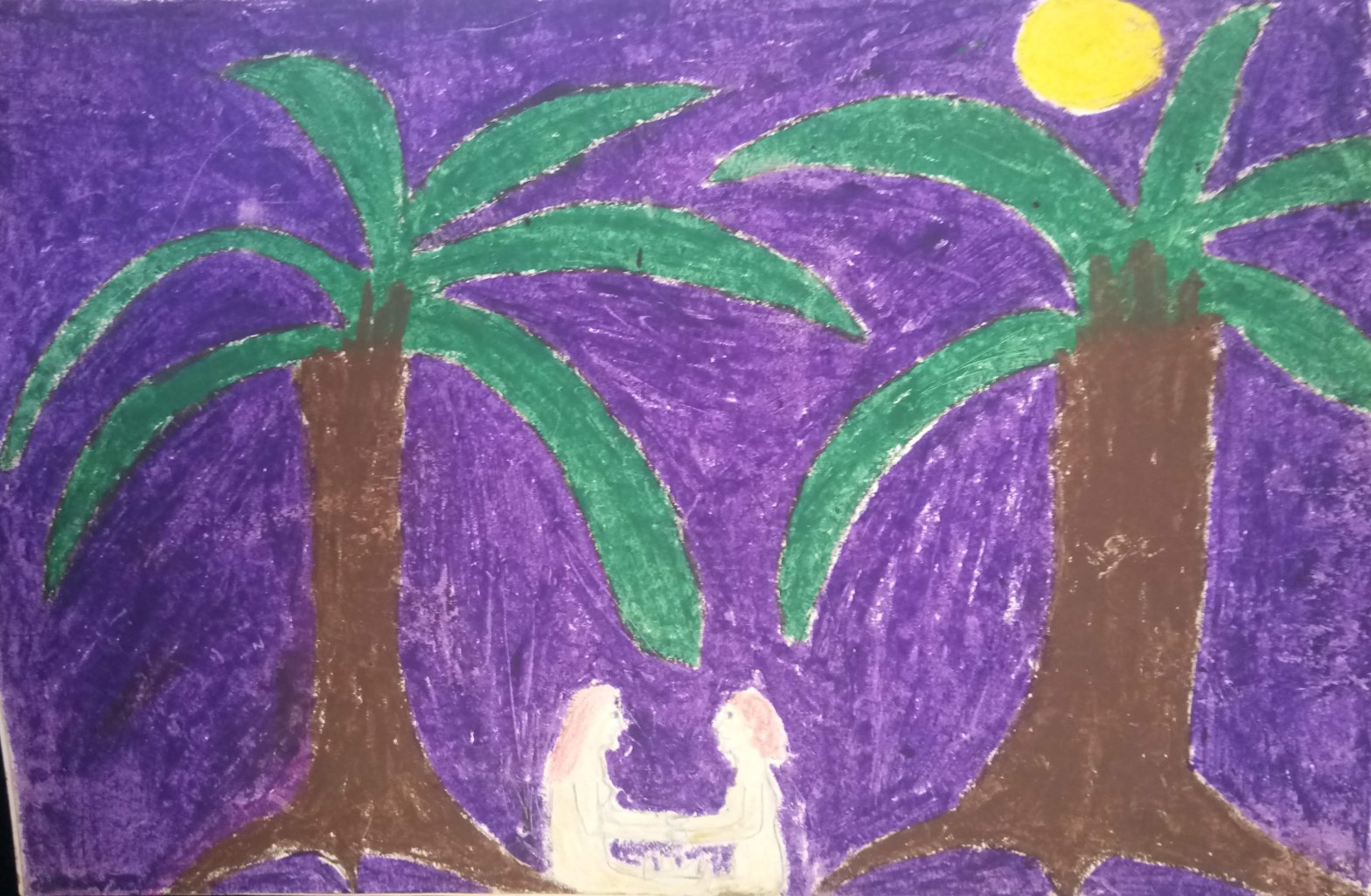
I came across the little two-year-old Susanne in a visualisation during one of my ‘retrievals’ (it is not strange to be allowed to undergo several ‘retrievals’). I saw images of her in a beautiful forest with sweet cats, horses, birds, lots of flowers, extensive lawns, streams with clear running water and even two gnomes – Bop and Mieke as the little Susanne called them. The little Susanne had “hidden” in this beautiful place. And no – she didn’t want to come back. Several times – spread over a few weeks – I had to visit her, become friends with her calmly and convince her that it was also very nice to come back to the here and now, in my body, in my personality. She eventually did.
Welcome home, little Susanne
Then for days, I felt a wave of enormous anger towards my mother and towards my oldest brother. I could skin them. I was sure it had to do with little Susanne and talked to her. I asked her what was going on. That’s when the memory came to me. I was two years old, and my brother (5 years old at the time) was playing with me, but it got out of hand. He put a pillow on my face and lay on top of it. I choked, I choked. Then, after a few moments, my little body managed to throw him off me with unprecedented force. An unparalleled power of a small body – it managed to survive. I saw my brother startled and he ran away.
I realised this, back then, was the moment a piece of my soul left. I felt panic and fear rise in me. And then anger – I was furious with my brother and my mother. My brother for what he had done and my mother for not taking good care of her children. Where was she?
I told little Susanne that she’d survived, that she’d been strong enough to throw brother off her. And that these kinds of things are not nice, but can happen and that you can not blame a little boy of 5 years.
These words turned out to be completely wrong. This was not what the little Susanne wanted to hear. This did absolutely no justice to her feelings. These words were disrespectful, lacking in empathy – completely bypassing her feelings of fear, panic, anger and sadness. These words made her return to her safe haven with Bob and Mieke in the woods.
Again I had to find her there. This time I stayed with her, feeling the fear again; we relived the panic, cried, and cursed on brother and mother. We managed to thank the unparalleled strength that appeared back then. We realised it wasn’t ‘I’ who managed to throw off my brother – it was my body’s survival instinct that managed to do that.
These emotions persisted for several weeks. My brother should be glad he didn’t call or meet me in these weeks. I would have given him the full blast of anger.
Integrate
After a ritual in which soul parts are retrieved, you are not done yet. A piece that has been separated from you for years needs time to integrate. That part needs all your attention, wants to be heard, seen and respected. That can be done in different ways.
As I described above, you can regularly start a conversation with the retrieved soul part. If you don’t have experience with this, find a therapist who can help you.
Pampering yourself is also a suitable method. The soul part has left because of a lack of joy, safety, etc. Show this soul part that there can now be joy, safety by undertaking things that underline this.
Bodywork – massage, emotional bodywork, shiatsu, acupuncture – methods that get the “chi” flowing again can be of great help too. Traumas are stored in your body. When a soul part is back, your body can also adapt, and physical blockages can finally be released with a little help from a therapist.
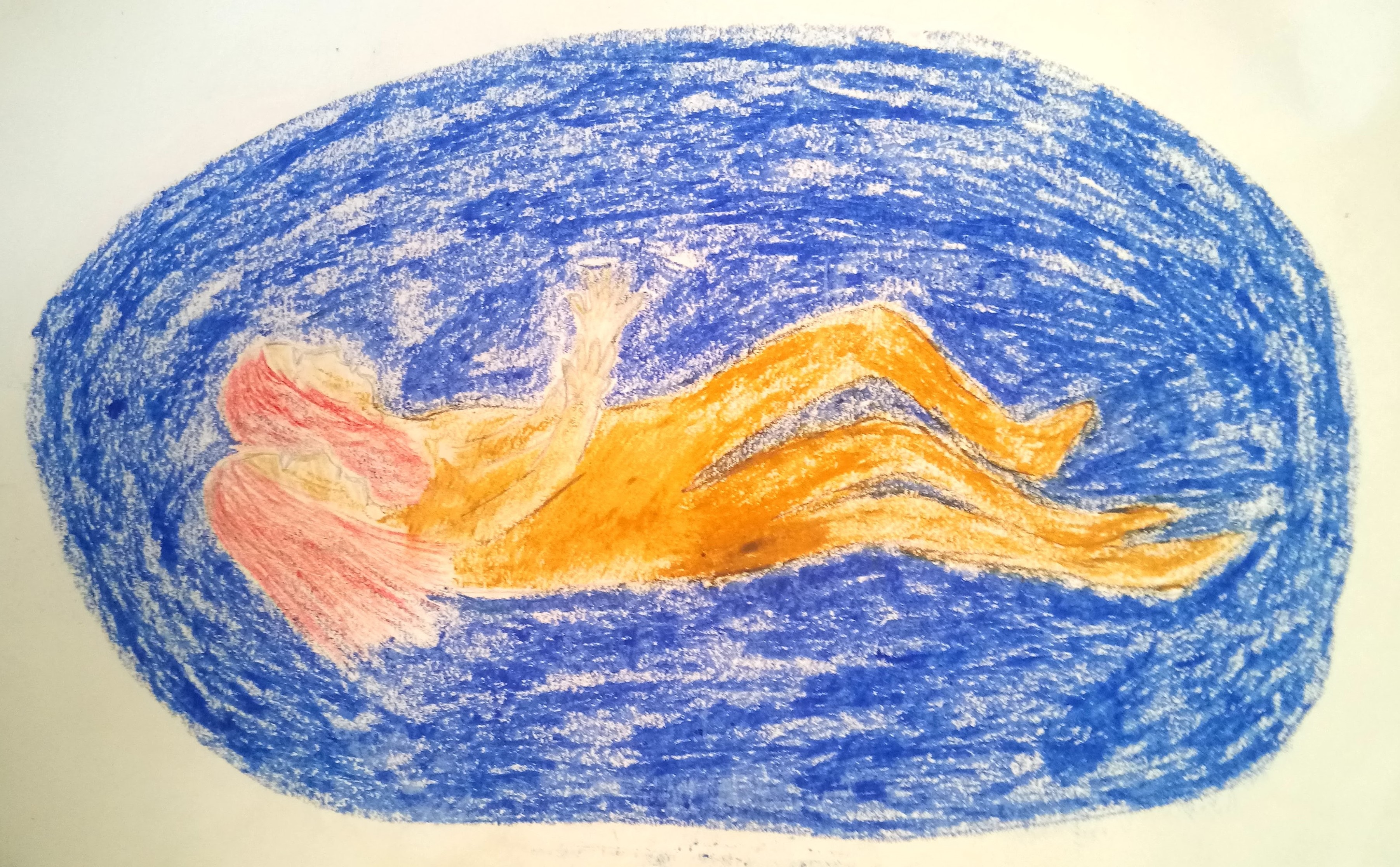
Drawing – the drawings in these articles are my own. After a return of a soul part, I created these – completely intuitive. One drawing shows what I felt. I felt as if a ‘body’ sank into me. The other drawings show how I took care of the soul part – by travelling with it regularly – in visualisations – to a safe, beautiful and warm place to have quality time together.
After severe trauma, the first thing to do is consult a psychotherapist or psychologist until there is enough strength to do a session in which soul parts are retrieved. After that, a therapist can again be helpful to integrate the retrieved soul part.
Inspired by:
Ingerman, S. Soul Retrieval. Mending the Fragmented Self.









 Systemic Ritual and Systemic Constellations